Pest Control Mount Waverley: Protect Your Property from Unwanted Pests
Pests can enter almost any property, whether it is a family home, rental unit, restaurant, or commercial building. A few ants around the pantry, scratching sounds above the ceiling, or cockroaches appearing after dark may seem like minor issues at first. However, recurring pest activity can indicate a larger problem that needs proper attention.
Local Pest Control Pro provides pest management solutions for residential and commercial properties in Mount Waverley. Our approach focuses on identifying the pest, understanding what attracts it, and recommending suitable treatment options. If you are experiencing pest activity, request a free quote and learn about the options available for your property.
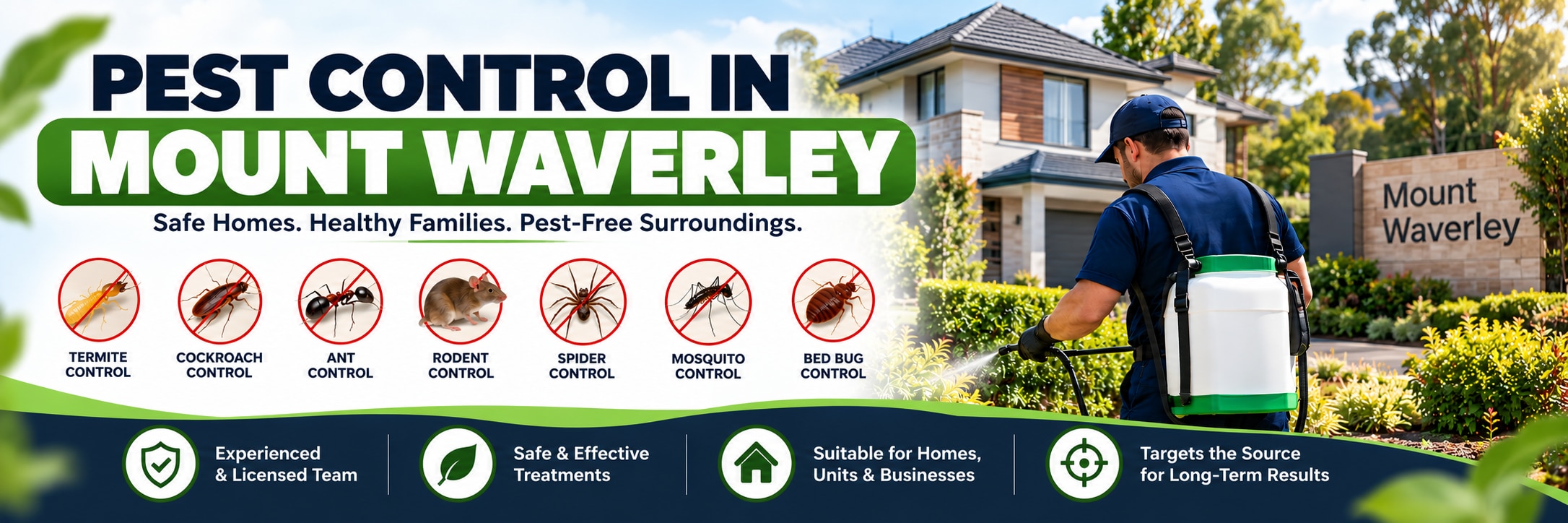
What Makes Mount Waverley Attractive to Pests?
Mount Waverley has established gardens, mature trees, residential streets, and a mixture of older houses and modern developments. These features make the suburb appealing, but they can also provide pests with food, shelter, and access to buildings.
Rodents may enter through gaps in roofing or around utility pipes, while ants and cockroaches can hide in kitchens, bathrooms, and wall cavities. Damp areas may attract silverfish and other moisture-loving insects. Outdoor rubbish bins, overgrown vegetation, and standing water can also encourage pest activity.
For effective pest management, consider the surrounding environment and where you've spotted pests. Identifying access points and potential nesting locations helps you choose the most appropriate course of action.
Common Pest Problems in Mount Waverley
Different pests require different control methods. Recognizing the warning signs early can help property owners decide when professional assistance may be necessary.
1. Termites and Timber Damage
Termites can damage wooden structures, flooring, frames, and other timber components. Because they often remain concealed, the damage may progress before obvious symptoms appear.
Warning signs can include mud tubes, blistered timber, hollow-sounding wood, and discarded termite wings. If you suspect termite activity, arrange a professional inspection rather than disturbing the affected area. An early investigation can help determine whether termites are present and what measures may be appropriate.
2. Ant Infestations
Ants often enter homes to find food and moisture. Kitchen benches, pantry shelves, rubbish bins, and pet feeding areas can become attractive destinations.
Cleaning visible trails may provide temporary relief, but it may not address the colony responsible for the activity. Professional ant control can involve identifying entry routes, locating nesting areas where possible, and selecting suitable treatments to help reduce repeated infestations.
3. Rats and Mice
Rodents can contaminate food storage areas, damage insulation, and chew electrical cables. They may enter buildings through small openings around doors, pipes, roof spaces, and foundations.
Look for droppings, gnaw marks, disturbed packaging, or scratching sounds inside walls and ceilings. Effective rodent management generally combines appropriate trapping or baiting with sealing entry points and reducing access to food.
4. Spiders and Cockroaches
Spiders commonly shelter in sheds, garages, roof spaces, garden corners, and undisturbed storage areas. Cockroaches prefer warm, moist places with easy access to food, including drains, cupboards, and appliances.
Frequent cockroach sightings may indicate a nearby harbourage or breeding area. Treatment depends on the species, the infestation's extent, and the property's conditions.
5. Bed Bugs and Fleas
Bed bugs hide in mattress seams, bed frames, upholstered furniture, and small cracks. Because they’re so good at staying hidden, regular cleaning often isn’t enough to get rid of them.
Fleas are usually linked to pets and can live in carpets, bedding, and other sheltered spots. Getting rid of bed bugs and fleas often needs a planned treatment, good preparation, and follow-up steps, depending on how bad the problem is.
6. Mosquitoes, Bees, and Wasps
Mosquitoes lay eggs in standing water, like in forgotten containers or poorly kept outdoor areas. Getting rid of standing water and keeping outdoor spaces tidy can help stop them from breeding.
Bee and wasp nests need special care. Trying to move a nest without proper gear can lead to many stings. Always call a trained professional to check the situation. If it’s safe, bees may be relocated instead of removed.
7. Other Household Pests
Silverfish, earwigs, millipedes, and mites can also become troublesome around homes and workplaces. Some thrive in damp conditions, while others enter through garden areas, cracks, or openings around the building.
Correctly identifying the pest is an important first step because treatment and prevention measures can vary considerably.
Should You Try DIY Pest Control or Hire a Professional?
DIY pest products may suit occasional sightings or small, uncomplicated problems. However, repeated activity can suggest pests are breeding nearby, entering through hidden gaps, or remaining in hard-to-access areas.
Professional pest control may be worth considering when:
- Pests continue returning after household treatments.
- You suspect termite activity or damage to structural timber.
- Rodents are active in ceilings, walls, or storage areas.
- Bed bugs are present in bedrooms or furniture.
- A bee or wasp nest is located near a frequently used area.
- Pest activity is affecting food preparation, business operations, or hygiene.
A pest technician can assess the situation, explain available treatment options, and recommend practical prevention steps. Always follow product instructions when using household pest treatments.
Residential and Commercial Pest Control in Mount Waverley
Pest Management for Homes
Residential pest control aims to address pest activity while considering the household's needs. Treatment recommendations vary depending on the building layout, pest species, infestation level, and whether the property has children or pets.
Whether you live in a standalone house, townhouse, or apartment, addressing entry points, moisture problems, and food sources can support longer-term pest prevention.
Pest Management for Businesses
Commercial properties often have different pest management requirements. Restaurants, cafes, retail outlets, offices, medical facilities, and childcare centers may need treatment plans that fit their operating schedules and hygiene obligations.
A suitable commercial pest management program may include inspections, targeted treatments, monitoring, preventive recommendations, and service documentation, as required. The objective is to address pest activity while minimizing unnecessary disruption to daily operations.
Frequently Asked Questions About Pest Control
1. Why is professional pest control useful?
Professional pest management helps identify the pest species, investigate possible entry points, and assess the source of recurring activity. This can be more effective than repeatedly treating visible pests without addressing the conditions that attract them.
2. How soon will I notice results after treatment?
The timeframe depends on the pest, the treatment method, and the extent of the infestation. Some pests may become less active relatively quickly, while others require several days, additional monitoring, or follow-up treatment. Your technician can explain the expected process for your situation.
3. Which pest treatment methods are available?
Depending on the circumstances, pest management may involve targeted applications, traps, baits, monitoring systems, and recommendations for improving the property’s condition. Select the appropriate method after considering the pest and the affected environment.
4. Are pest control treatments suitable for homes with children and pets?
Treatment planning should account for household safety requirements. Inform your pest technician about children, pets, aquariums, and any relevant sensitivities before work begins. Follow all instructions about ventilation, treated surfaces, and when it is safe to return to the area.
5. Why is outdoor treatment sometimes recommended?
Some pests originate in gardens, gaps in external walls, roof edges, subfloor spaces, or other areas outside the building. Assessing these locations can help identify possible entry routes and conditions contributing to indoor pest activity. The need for outdoor treatment depends on the pest and the property.
6. Should I arrange pest inspections if I cannot see any pests?
An inspection may be worthwhile even when no obvious pest activity is present. Certain pests, including termites, can remain concealed for extended periods. Inspection frequency should reflect the property’s construction, surroundings, previous activity, and any relevant risk factors.
7. What pests does Local Pest Control Pro manage in Mount Waverley?
Pest management services may cover termites, ants, rats, mice, spiders, cockroaches, bed bugs, fleas, mosquitoes, bees, wasps, silverfish, earwigs, millipedes, and other common pests. Contact Local Pest Control Pro to confirm the service available for your pest problem.
8. How much does pest control in Mount Waverley cost?
Pricing depends on the pest species, property size, infestation severity, accessibility, and the treatment required. Request a free quote from Local Pest Control Pro to discuss your situation and understand the proposed service before deciding on the next step.
Practical Ways to Reduce Pest Activity
Simple property maintenance can make your home or workplace less attractive to common pests.
- Protect food supplies: Keep pantry items in sealed containers and clean spills promptly.
- Manage household waste: Use covered bins and empty them regularly.
- Close access gaps: Check around windows, doors, pipes, vents, and roofing for openings that may allow pests inside.
- Maintain the garden: Trim vegetation near the building and keep branches from touching the roof.
- Reduce moisture: Repair leaking taps and pipes, improve drainage, and remove standing water.
- Organize storage areas: Keep garages, sheds, and subfloor spaces tidy to reduce potential hiding places.
- Check deliveries and second-hand items: Inspect packaging, furniture, and stored belongings for signs of pest activity.
- Arrange inspections when appropriate: Investigate unusual noises, unexplained damage, droppings, or recurring insect activity before the problem develops further.
Contact Local Pest Control Pro for Pest Control in Mount Waverley
Unwanted pests can affect comfort at home and create additional challenges for local businesses. Identifying the cause of an infestation and choosing an appropriate treatment approach can help you manage the problem more effectively.
Local Pest Control Pro provides pest management solutions for homes and businesses in Mount Waverley. If you have noticed pest activity or want prevention advice, get in touch to discuss your requirements and request a free quote.
Contact: Local Pest Control Pro
Phone:+61468468996
Service Area: Mount Waverley, Melbourne, Victoria
