Homeowners Prepare for Professional Pest Control in Melbourne
Pest problems can affect your home's cleanliness, comfort, and safety. Ants, cockroaches, spiders, and rodents often enter residential properties for food, water, and shelter. Preparing your home before professional treatment helps technicians inspect affected areas and choose the right pest management methods.
Professional Pest Control in Melbourne can help homeowners address existing infestations and identify conditions that may encourage pests to return. Simple steps, such as cleaning affected areas, storing food properly, and identifying pest entry points, can help you organize the treatment process.
Whether you're dealing with persistent ant problems, kitchen cockroaches, or rodent activity, proper preparation can improve the effectiveness of professional Pest Control Services in Melbourne and support better treatment results.
Why Is Home Preparation Important Before Pest Control
Preparing your property before a pest control appointment lets technicians access affected areas and assess the infestation. It also helps homeowners follow treatment instructions and maintain appropriate safety precautions.
Some important benefits include:
* Better inspection: Clear access helps technicians examine areas where pests may hide.
* Effective treatment planning: Information about pest activity helps professionals choose suitable control methods.
* Improved safety: Following preparation instructions helps protect children, pets, and household members.
* Reduced pest attractants: Removing food residues and managing Moisture can make your home less attractive to pests.
* Better prevention: Identifying entry points and harbourage areas helps address the underlying causes of infestations.
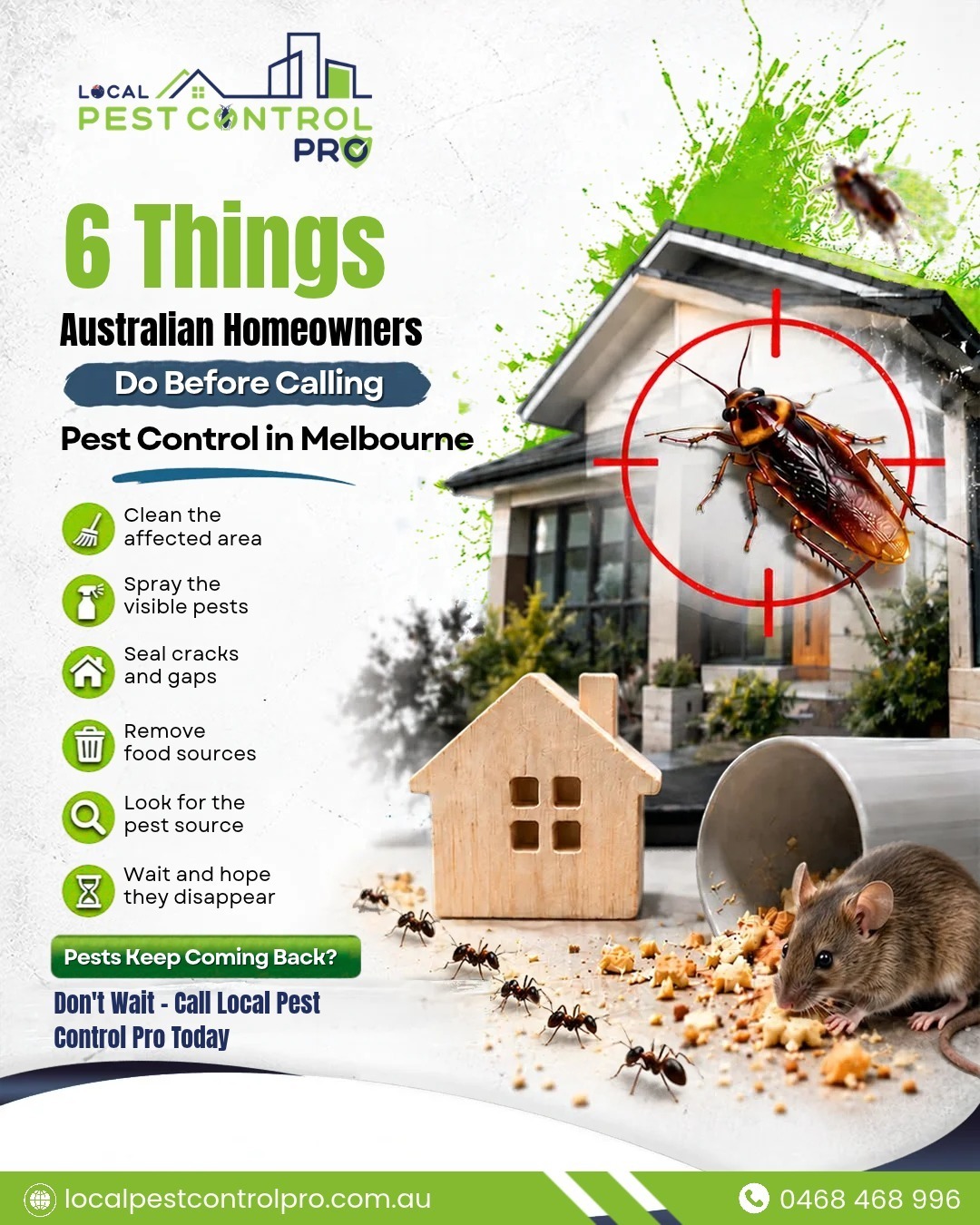
6 Things to Do Before Professional Pest Control in Melbourne
1. Clean the Affected Areas
Begin by cleaning areas where you have noticed pest activity. Remove food crumbs, grease, rubbish, and other debris that may attract insects or rodents.
Pay particular attention to kitchens, bathrooms, pantries, laundry rooms, garages, and storage spaces. Vacuum and wipe suitable surfaces to remove food residue and make inspection easier.
However, avoid disturbing suspected nests or removing important evidence, such as droppings, damaged packaging, or unusual marks, before documenting them. Photographs can help the technician understand the problem.
2. Avoid Applying Pesticides Before the Appointment
When pests keep coming back, using a household insecticide may seem like a quick fix. However, applying additional products before professional treatment can sometimes interfere with the planned approach.
Contact your pest control provider before using any new pesticide. If you have already applied a product, tell the technician what you used and where it was applied.
Professional treatment should be based on the pest species, infestation severity, and conditions inside your home.
3. Inspect Cracks, Gaps, and Possible Entry Points
Small openings around doors, windows, pipes, and utility connections can provide entry routes for pests. Check these areas and note any visible gaps or damaged seals.
Where appropriate, sealing suitable openings can help reduce future pest entry. However, avoid blocking suspected active rodent entry points or areas that need professional inspection before treatment.
A pest management professional can recommend suitable exclusion measures based on the infestation and your property's structure.
4. Remove Food Sources and Manage Moisture
Leftover food, exposed groceries, and stagnant water can create favorable conditions for household pests. To prepare your home before the treatment, follow these simple steps:
* Store food in sealed containers.
* Clean kitchen counters and remove crumbs.
* Dispose of household waste in bins fitted with tightly sealed lids.
* Wash used dishes promptly instead of leaving them in the sink overnight.
* Keep pet food in sealed containers and maintain clean feeding areas.
* Repair leaking taps where practical.
* Remove unnecessary standing water.
These measures can support Pest Control Services in Melbourne by reducing the conditions that encourage pest activity. Good hygiene is important, although it may not eliminate an established infestation on its own.
5. Identify Where and When Pests Appear
Observing pest activity before the appointment can help technicians assess the situation more accurately.
Look for signs such as:
* Ant trails near food storage areas or windows.
* Cockroaches around cupboards, appliances, and drains.
* Rodent droppings or gnaw marks near walls and storage areas.
* Spider webs in corners, garages, and sheds.
* Repeated pest sightings around doors and windows.
Note the affected rooms, when pests appear, and whether the problem is becoming more frequent. Avoid touching droppings, nests, or unidentified pest materials directly.
6. Prepare Your Home for the Technician
Before the scheduled visit, ask your provider for specific preparation instructions. Requirements may differ depending on the pest, treatment method, and areas being treated.
You may be asked to:
* Move furniture away from affected walls.
* Clear access to cupboards, skirting boards, or storage areas.
* Cover or store food and utensils as instructed.
* Keep children and pets away from treatment areas.
* Inform the technician about aquariums and other relevant household considerations.
* Arrange to leave the property temporarily if required.
Always follow the provider's instructions about ventilation, re-entry times, and the safe use of treated areas.
Which Pests Can Professional Pest Control Help Manage
Professional pest management services may address several common residential infestations, depending on the provider's available services.
Ants
Ants often enter homes to find food and Moisture. Management may involve identifying entry points, locating nests when possible, and applying appropriate treatments.
Cockroaches
Cockroaches tend to hide in sheltered spaces near food and water. Treatment may include targeted applications, baiting, sanitation improvements, and recommendations for reducing hiding places.
Rodents
Mice and rats can contaminate food, damage household materials, and create hygiene concerns. Effective management may combine appropriate control methods with recommendations for preventing access to the property.
Spiders
Spider management may involve identifying harbourage areas, removing webs where appropriate, reducing insect activity, and treating selected locations when necessary.
The recommended approach depends on the pest species, infestation level, property conditions, and relevant safety requirements.
How to Choose Reliable Pest Control Services in Melbourne
Choosing a suitable provider is key to effective, responsible pest management. Before booking an appointment, consider these factors:
* Relevant experience: Ask whether the provider handles your particular pest problem.
* Inspection process: Check whether the service assesses the infestation before recommending treatment.
* Treatment details: Request an explanation of the proposed method and its limitations.
* Safety guidance: Confirm precautions for children, pets, and household members.
* Transparent pricing: Understand the service scope, costs, and any additional charges.
* Follow-up support: Ask whether repeat visits or preventive recommendations may be necessary.
* Qualifications and insurance: Check the relevant licensing, registration, and insurance requirements for the service.
A dependable provider should explain the expected results and any limitations instead of promising permanent elimination after a single visit.
Why Is Professional Pest Control Important for Australian Homes
Australian homes can experience pest activity year-round, though species and activity levels vary with local conditions, weather, Moisture, and property design.
Professional Local Pest Control Pro Services in Australia can help homeowners identify pest problems and choose appropriate management strategies. An inspection may reveal entry points, nesting areas, moisture issues, or other conditions that contribute to recurring infestations.
Combining appropriate treatment with routine cleaning, proper food storage, waste management, and preventive maintenance can reduce the likelihood of future pest problems.
Preparing your home before professional pest treatment can make inspection and treatment easier. Cleaning affected areas, storing food securely, documenting pest activity, and providing clear access to problem areas are useful steps to take before an appointment.
For effective Pest Control in Melbourne, follow the technician's preparation and safety instructions, and address conditions that may allow pests to return. The right treatment depends on the pest species, the extent of the infestation, and your property's characteristics.
Need help managing pests in your home? Contact a professional pest control provider to discuss your concerns, understand suitable treatment options, and arrange an inspection.
Frequently Asked Questions (FAQs)
1. How should I prepare my home before pest control?
Clean accessible surfaces, store food securely, remove rubbish, document signs of pest activity, and clear access to affected areas. Follow your provider's specific instructions because preparation requirements vary by treatment.
2. Should I clean my house before pest control treatment?
Yes, routine cleaning can remove food residues and make inspection easier. However, avoid disturbing suspected nests or removing evidence that may help identify the infestation. Ask your provider whether to leave certain areas untouched.
3. Should I spray insecticide before professional pest control?
Consult your pest control provider before applying additional pesticides. Some products may interfere with the planned treatment. If you have already used an insecticide, inform the technician about the product and application area.